

Barium Swallow

Introduction What is it? A barium swallow is special form of X-Ray examination allowing the doctors to visualise: - The back of your throat - Oesophagus- Stomach - First po
Introduction
What is it?
A barium swallow is special form of X-Ray examination allowing the doctors to visualise:
- The back of your throat
- Oesophagus
- Stomach
- First portion of small intestine (duodenum)
The procedure involves swallowing a special white liquid containing a contrast agent, usually barium sulfate. The chemical mixture adheres to the lining of the upper gastro-intestinal tract and allows it to be visualised on X-Ray. The barium enhances the visualisation of the relevant structures. The procedure is conducted by a radiologist, a type of doctor specialising in X-Ray’s and other imaging modalities (1).

Why is it done?
Barium Swallow is carried out to diagnose a wide range of upper gastro-intestinal diseases and can be used to visualise the swallowing mechanism in real time, making it particularly useful for detecting structural and functional abnormalities. The list of different diseases that can be detected via a Barium Meal include:
Structural
- Zenker’s Diverticulum - The presence of a pharyngeal pouch within the oesophagus, where food gets stuck in this area rather than travelling down the oesophagus.
- Strictures - These are areas of narrowing within the oesophagus
- Hiatus Hernia - This refers to the situation when the top part of the stomach enters through the oesophageal opening in the diaphragm and hence is found in the chest cavity (mediastinum).
In these structural abnormalities, the barium swallow may show the liquid getting stuck on its way down, or taking longer than usual to swallow. In the case of a pharyngeal pouch or hiatus hernia, the liquid will be shown accumulating in areas that are not present in normal radiographs.
Tumours
- Oesophageal Cancer - This may present in a similar way to an oesophageal stricture, as the tumour grows and obstructs the passage of food down the oesophagus.
- Fibrovascular Polyps - These are rare tumours that may form in the oesophagus
Functional
- Achalasia - This is a mobility disorder where the lower esophageal sphincter fails to relax, causing a food and liquid build up in the oesophagus and preventing food from passing into the stomach for digestion.
- Diffuse Oesophageal Spasm - This is where the peristaltic contractions of the oesophagus become uncoordinated and hence result in difficulty swallowing (2).
Will I need to do any preparation?
In order to allow for the best visualisation, you will be asked not to eat or drink for six hours before the examination is expected to take place. You can have small sips of water up to two hours before the appointment. Due to this, if you have diabetes, you will be asked to speak to the medical team in charge of your care to schedule the appointment at a time more suitable for you to prevent hypoglycemia. If you take tablets for your diabetes, you will be required to miss the morning dose on the day of the examination. If you take insulin for your diabetes, you should miss the morning dose of insulin, alongside reducing the previous evening’s dose. Please speak to your doctor for the specific dose requirements as these differ from patient to patient.
Due to the fact that the Barium Swallow involves the use of X-Rays, it should not be performed on patients who are pregnant to avoid radiation exposure to the unborn baby. Hence on the consent form, you will be asked to sign a form letting the doctors know that you are not pregnant. You will also be required to let the doctors know if you have any previous allergic reaction to the barium sulfate x-ray contrast. If this is the case, you may have to undergo an alternative imaging procedure.
While Barium Swallow is a relatively safe procedure, you will be required to inform the doctor if you have had any of the following medical conditions, as these may result in complications:
- Esophageal Perforation
- Bowel Obstruction
- Severe Constipation
- Difficulty swallowing liquids
Technique
Anaesthesia
The procedure is not painful and hence does not require any anaesthesia. However, in some cases, a muscle relaxant containing Hyoscine Butylbromide may be administered to help relax the muscles of the stomach and bowel wall. This allows more accurate visualisation of these structures during the X-Ray scan. This muscle relaxant will not be given if you have a history of glaucoma, as it can result in eyesight complications.
What does it involve?
The whole procedure is relatively short and should take between 15-20 minutes. The steps of the procedure are as follows:
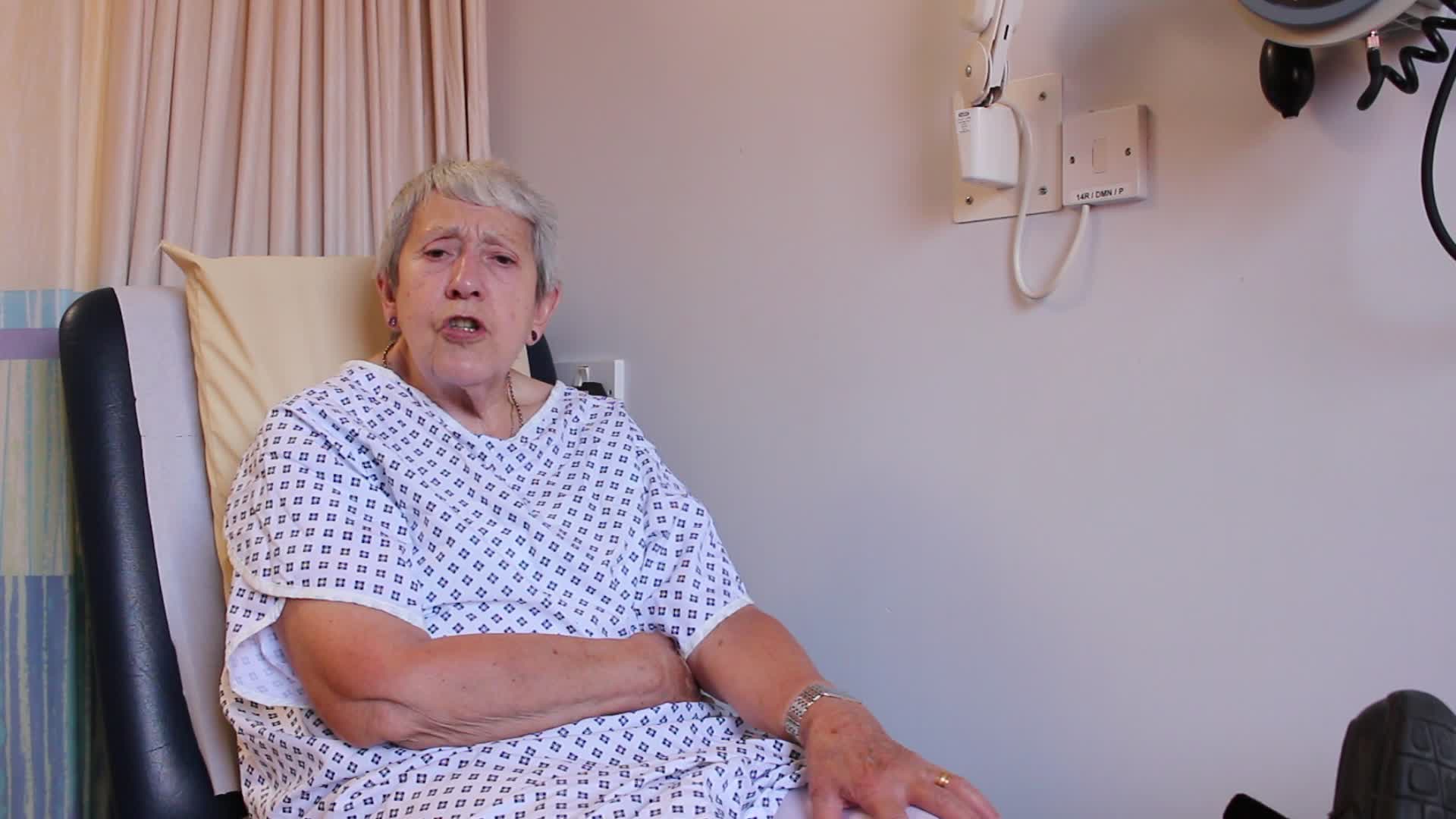
1) On arrival at the radiology department, you will be asked to change into a hospital gown before being taken to the examination room. You will also be required to remove any jewellery and accessories, which will be safely kept in a locker room.
2) Depending on the view of the radiologist, you may be given the muscle relaxant at this stage.
3) Initially, you will be asked to lie on the couch on your left hand side, and be asked to swallow the contrast liquid. X-Ray images will be simultaneously taken, allowing a series of images to be taken to track the barium contrast progression through your oesophagus and into the stomach.
4) You will then be asked to change position multiple times, including lying on your stomach and then onto your back (supine). This is necessary to allow the radiologist to gain a good view of the different structures within the upper esophageal tract.
5) The table will then tilt to help you sit upright and you will be given more barium to swallow to allow further images to be taken in the upright position.
6) Once the radiographer has taken the required images, you are free to get changed back into your clothes and leave (2).
How long does it take?
The whole procedure is relatively short and should take between 15-20 minutes.
Post procedure course (follow up)
In general, no special care is required after the procedure has finished, hence you will not be required to stay in hospital after the procedure and can go home straight after.
How long will I stay in hospital?
If you have been given the muscle relaxant, you will not be able to drive home as it will make your eyesight blurry for up to 30 minutes; hence you should have someone pick you up from hospital
What care will I need at home?
If you have been given muscle relaxant, you should avoid heavy lifting and driving on the day of the procedure as your eyesight may still be blurry. The barium contrast may result in constipation within the first few days after the procedure, and hence it is important to maintain a healthy diet of fruit and vegetables to provide the necessary fibre, alongside taking in plenty of water. In some cases, a mild laxative may be beneficial. Your stool may look pale for a few days after the procedure; this is a result of the barium and is normal.


Comments