Mr Usman Jaffer (Consultant Surgeon) and Dr Michael Kynoch (Consultant Anaesthetist) explain how a Carotid Endarterectomy is performed and why it is needed. They each discuss the potential risks and benefits from a surgical and anaesthetic perspective. The film was made by student film makers from West London College.
Transcript (auto-generated)
This transcript was generated automatically and may contain errors.
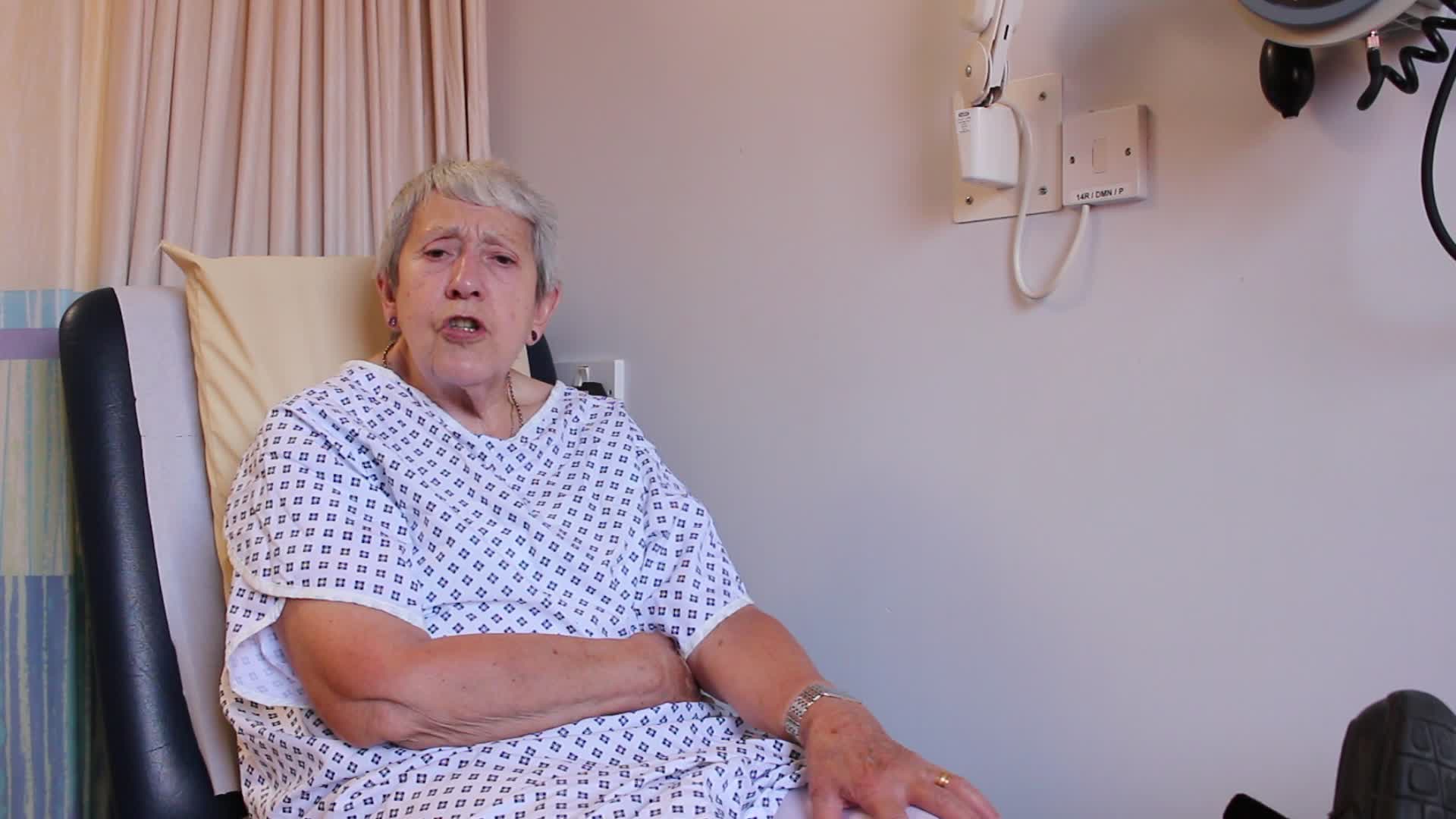
Cortical end arterectomy is a procedure done under anaesthesia. You can have either a local anaesthetic, which means you have needle injections to numb the skin and the areas around the artery we want to operate on, or you can have a general anaesthetic, which means you'll be faster skinned. The choice of which anaesthetic to use really depends on what's best for you as a patient and what's appropriate for the unit that you're having your operation under. The operation does take some time. It can take anywhere, I guess, between an hour and a half, let's say, you know, and much longer than that. So one of the things to be prepared for is simple things, being nice and comfortable before the surgery starts. And that would be things like going to the bathroom, making sure that you're comfortable to be able to then lie in one position for an hour and a half. Equally then, before we start the surgery, what's something that's very important for us as well, and we work together, all of us as a team, is to make sure that when you are lying there and the anaesthetics are all working away and you're ready to start is that actually the patients are very comfortable lying on the bed as well. We take a lot of care to make sure that everything is nice and supported and comfortable before then we embark upon the surgery. Because once the surgery starts, it's important for patients to try and keep the same position when they're lying on the bed. During the operation, when things are progressing and surgery is happening, the anaesthetist and the patient will be chatting away pretty much throughout the entire event. Just discussing sort of making sure that everything's nice and comfortable, any times that it's possible that the neck is getting a little bit stiff when we're in that bond position. I remember one of the patients we operated on recently, we were playing a game of name that cue. I was going to say, yeah. That was a good operation. Yeah, and it's nice to then have that. It's nice to have things that then, I think that It's very difficult for any sort of patient to go through surgery and it is quite a daunting prospect. And so talking about things that are important in their life or that are interesting for them or actually it's not only interesting for us to hear their life story but also then for them to be talking about something that takes their mind off surgery. The operation itself, very straightforward. You're awake. that kind of stuff is used. The problem I had was that it was exceptionally hot lying under all the covers. The operation itself, no pain, you're awake, you understand what's going on, you've been talked to all the time, so you know precisely what's happening to you and it took about an hour hour and a half and that was that and then it was all sun up, there wasn't a great deal of pain and that was elevated to scalp height as is expected when you've got 20 staples in your neck or 22 staples in your neck and on all the ridges but so my appointment I thought that The main part of the whole procedure in St Mary's Hospital was the operation.

 Health Shared


Comments