One of the most commonly used terms after EVAR is endoleak. Prof Mussa discusses the term and what needs to be done about it. It does not always need a procedure
Transcript (auto-generated)
This transcript was generated automatically and may contain errors.
Endoleak is a leak inside of the aneurysm and that is most commonly done when the, and It's particularly or specific to endovascular repair. That doesn't happen with or not described with an open repair, but the endoleak is when there are branches that comes off the wall of the aortic aneurysm that continue to slowly trickle blood back into the aneurysm sac. The endograft is placed inside the aneurysm, does not remove the aneurysm. So over time, the idea of the endograft being such a tube that excludes the aneurysm, that everything around or outside the graft will stop flowing or clots off or thrombose. However, in 20% of cases, there would be a small blood vessel. We call it the lumbar, or if it's slightly bigger, one of the main vessels that goes to the intestine called the inferior mesenteric artery, would continue to flow back into the aneurysm. And out of this 20% of patients where this may happen, smaller portion or quarter of that will cause the aneurysm to get bigger. And that is where those patients may require an intervention to stop that trickle of flow into the aneurysm. And that is where the endoleak requires treatment, when the aneurysm is getting bigger because of the endoleak.

 Health Shared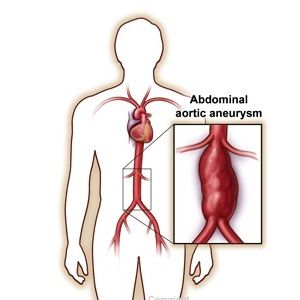

Comments