Anatomical suitability is based on how the aneurysm looks on CT scan. Professor Mussa explains what that means and how you can be suitable for EVAR.
Transcript (auto-generated)
This transcript was generated automatically and may contain errors.
What is a suitable anatomy for an endovascular aneurysm repair? So the anatomy of the aorta is such that endografts are designed to function within certain angles in certain kinks within the aorta, and we need a certain amount of what we call healthy aorta in order for the graft to get attached to. If we don't have enough of healthy aorta that is straight, or if we have extreme kinking or tortuosity, the anatomy, or if we have calcium or thrombus anywhere in the lining of where the graft will go, then that is a not suitable anatomy. Also it's not suitable if the access vessels are so small. So that creates a situation where the anatomy may not be suitable for an endovascular repair. And it depends on the patient. You may be able to offer them open repair. And if they cannot withstand an open repair, then really the anatomy may be a hindrance or against a proper endovascular repair.

 Health Shared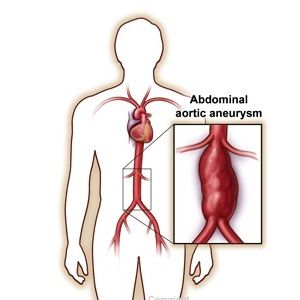

Comments