We welcome a new speaker, Dr Jemell Geraghty. Jemell is a Lecturer in Adult Nursing and leads the Person-Centred Care & Tissue Viability module at the Florence Nightingale Faculty of Nursing, Midwifery & Palliative Care, King’s College London and has been collaborating with King’s College since 2011.
In this podcast Jemell supports people who are living with leg ulcers or are at risk of a leg ulcer reoccurring.
Transcript (auto-generated)
This transcript was generated automatically and may contain errors.
Hello everyone, my name is Jamel Geraghty. I am a Global Nurse Consultant in Tissue Viability and Lecturer at King's College, Florence Nightingale Faculty of Nursing, Midwifery and Palliative Care, London. Here I lead the Tissue Viability and Person-Centred Care modules. I also work with leading vascular consultant Mr Luke Labiase, providing specialist care for patients and I have a role with the charity Change Grow Live, providing expertise for people who are experiencing homelessness or have a history of substance misuse, who are at risk of or living with a skin wound or leg ulcer. I am very proud to be a trustee of the Lindsay Leg Club Foundation and I am actively involved in the Legs Matter campaign to raise awareness, understanding and action on lower leg and foot conditions among the public and healthcare professionals. Since 2005, I have been studying and working in the field of room care and have had the great privilege of leading teams both in the NHS and private sector. My passion is centred around people, that's you and your family and supporting individuals who may be living with leg ulceration or at risk of reoccurrence. If you or a loved one are affected by a lower limb vascular condition or leg ulcer, please be reassured you are not alone. There are clinicians out there who care and who will be able to support you and your loved ones on this journey from diagnosis through to treatment and yes healing. It is important to understand that while there is a small number of people living with leg ulceration that may not heal for various reasons, the majority and I mean most people living with the leg ulcer, particularly venous leg ulceration, will go on to heal with appropriate diagnosis, care and consistency. Now I want you to remember those three words diagnosis, care and consistency as they are key for you to have a successful outcome and to establish the healing journey of your wound. Let's explore this further. Diagnosis, this includes a holistic assessment of your medical history, medication and wound to date, alongside any factors affecting your overall health and psychological well-being, your emotions, your current social, home environment and your support networks, including friends and family. It also includes a physical examination of your legs and feet to confirm the etiology of your leg ulceration, which will tell us if your ulcer is caused by your veins, arteries or a combination of both and if there is a lymphatic element also contributing. Diagnosis should also include some form of vascular assessment, usually in the form of an ABPI, occlusive ankyl pressure or tobrachial pressure index. Care. Who is caring for your wound? Do they have the appropriate skill and expertise and have you been involved in the plan from start to finish? Do you need to see a vascular consultant and have an ultrasound duplex scan or further vascular imaging of your leg circulation? Are there issues with the wound healing itself and would you benefit from a specialist wound care or tissue viability review? Consistency is key when managing any wound and having a competent and knowledgeable practitioner provide your care is one of the fundamentals of healing. There is always options and choice and you may decide together with your healthcare practitioner, often your nurse, that self-care is the option for you at this point in time. Before embarking on your journey of self-care, if you choose to do so, ask yourself, have I had a full diagnosis and assessment of my leg ulcer? Is there a plan in place that works for me and that is regularly assessed for changes? Does this plan align with my lifestyle, my work, family commitments and daily activities? And am I able to continue my daily tasks in a way that optimises my quality of life? Are there issues related to my wounds such as sleep, pain, washing and dressing, footwear, work and relationships that I need to address with my clinician to ensure I can continue living life in a meaningful way? Do I feel isolated because of my leg ulcer? Am I lonely or do I have periods of feeling down or depressed? Your healthcare professional, your nurse and GP are here to address these issues with you. Now, I would like you to take five minutes out from this podcast. You can pause it while you take your socks and shoes off and you will need some daylight or turn on the light if necessary. Let's take some time now to examine our legs. If you are listening to this on behalf of a loved one, a friend or neighbor or carer, you can always listen to this section then replay it later when you are together. It is important that you always check both legs and feet. And yes, that means removing socks, shoes and tights if necessary. First, I would like you to look at your legs. What is the shape? Do you notice swelling? Is there any visible varicose veins or you might like to stand up and have a better look? Do you see any ankle flare or thread veins in and around the ankle area? Do you notice any change in colour or pigmentation? This may present red, light brown or even dark brown and this is a classic sign of venous hypertension which tells you there is an issue with the function of your veins. Let's take a moment to talk about our veins and how they function. Our veins take blood back to our heart against gravity. Now, let's take a moment to visualise the blood being pumped back from your toes to your heart against the force of gravity. It's a big undertaking, but we are fortunate to have valves in our veins that help prevent the blood coming back down the vein as they open and close, forcing the blood upwards. How does this happen? Well you have two main venous pumps in your leg, the foot and calf pump. The mechanism of walking, how you flex your foot and walk toe to heel pushes the blood upwards towards your calf where you have another pump that continues this process. So with that in mind, ask yourself, do I walk toe to heel and am I able to flex my foot and ankle? Do I have a restricted walk or shuffle? If you are not sure, you can ask a friend or relative to observe your walk or, with your permission, film your walk and play it back to you so that you can see yourself. Often people are unaware of how they walk. Why would we be? It's an instinctive action. However, it plays a key part in how the veins work and stay healthy. Now that we have looked at our legs, we will move on to feeling the texture of the skin as we continue observing. Do you have hair on your legs or is there a loss of hair? What is the condition of your toenails? Are they thickened? How does the skin on the legs feel? Does it feel woody or hard? Are there areas of dry skin or eczema? These are all clinical indications that you may have an issue with your circulation. If your wound is diagnosed as a venous leg ulceration, then the gold standard is compression therapy. There are many forms of compression including bandaging, hosiery and wraps. Your clinician will discuss with you and you will decide together on the best option to suit you. If you have varicose veins and a venous ulceration, the gold standard is the combination of compression therapy and varicose vein surgery, ideally by means of a keyhole treatment called thermal ablation. A recent clinical trial called EVRA has shown that such combined approaches improves the healing time and reduces the risk of reoccurrence. So remember a non-healing ulcer should always be assessed in a multidisciplinary fashion by your specialist nurse and your vascular consultant. Now that we have looked and examined our legs I would like you to ask yourself do you have pain at night, on rest or when walking? Cramp pain? If the answer is yes to any of these you may have a problem with the blood supply in your arteries. Arteries and veins are different. The blood supply in your arteries is rich in oxygen and nutrients and comes from your heart all the way down to your legs and feet and all around the body for that matter. For various reasons, including lifestyle, family history, people can have issues with a buildup of plaque in their arteries, commonly known as arteriosclerosis. Many of you will be familiar with this term through the campaigns that emphasize about heart attacks and strokes. But we must remember that these blood vessels also affect our legs and feet. If you are experiencing cramp in your legs when exerting, more commonly known as claudication, this can be the early sign of peripheral arterial disease. And you will need to see a vascular specialist to have a thorough assessment and diagnosis of the arteries in your legs. Arterial ulcerations as opposed to venous ulcers are a limb threatening condition. Timely diagnosis and vascular intervention, such as angioplasty and stenting or bypass surgery is paramount to save the limb. In the meantime, you can help the health of your arteries by stopping smoking if you are. There is no getting away from this. If you are a smoker, this adversely affects the blood supply to your legs. In fact, to your heart, brain, lungs and everywhere. Quitting smoking is one of the most important ways to improve your circulation, and research has shown that the improvement in health is almost immediate. Look at your diet. Is it high in saturated fat or sugar? To improve your cardiovascular health, you need to optimize a healthy balanced diet. Are you overweight for your height? What is your body mass index? This is important because our weight is aligned with our height. So if you're not sure about this, then consider having your BMI taken along with your blood pressure at your next GP or nurse appointment. Or you can possibly have this carried out at your local pharmacy. Structured walking exercise. Do you exercise during the week or walk daily? Consider moving gently and regularly every day. And if you want further inspiration for this, then have a look at Mr. Motivator's podcast and follow him for exercise to suit everyone. Walking exercise is recommended as the first line treatment for arterial claudication, according to the national and international vascular guidelines. Our legs have been examined and well done to you all for getting involved. If you are already living with a wound on your lower leg and have some of the mentioned signs and symptoms, then you need to see a health care professional, usually your GP or practice nurse in the first instance. Ultimately, if you have a non healing wound and a diagnosis of varicose veins, i.e. venous insufficiency, you should see a vascular surgeon and specialist nurse. If you have a foot or leg ulcer and poor circulation, you must see a vascular surgeon ideally within one week from the diagnosis. If you have diabetes and a foot ulcer, you must seek immediate medical advice from your GP as you may likely be referred to a diabetic foot multidisciplinary centre. You can also refer to the Leg Club YouTube channel and the Legs Matter campaign for further information and resources. If you have a specific question, then please contact me. My email address can be found alongside this podcast and further information is available on the Leg Club website. I do hope you have found this information helpful. Thank you for joining me. And remember, if you are living with a leg ulcer or lower limb vascular condition, you You are not alone and with a speedy referral and timely diagnosis, treatment can be started.

 Health Shared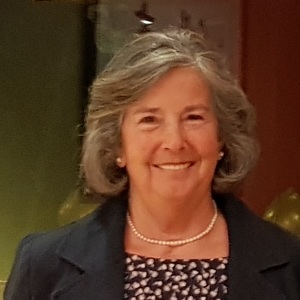


Comments