We are delighted to welcome a new speaker, Freya Crispin who is a medical student at Cardiff University.
Freya is speaking about how she found out about the Lindsay Leg Clubs®, why she became interested in them and an exciting project she did as part of her medical curriculum to discover more about the great work the Clubs do.
Transcript (auto-generated)
This transcript was generated automatically and may contain errors.
Hello, my name is Freya and I'm a medical student from Cardiff University. In this podcast, I would like to tell you about my first experience with the leg clubs, how I heard about them and an interesting piece of work that this experience led me to develop. I first came across leg clubs during my third year of medical placement in a rural GP practice in Aberystwyth. The community nurses from the practice spoke incredibly highly of the clubs and the positive impact the clubs had on their members. They actually invited me to come and visit the one that they helped at, but unfortunately, due to the COVID-19 pandemic, I never got the chance to go. However, I was still intrigued. What were these clubs and how did they work? If they were so helpful, why did not more people know about them? Then when I returned to Cardiff a year later, still mid-pandemic, in university we were asked to carry out a project called a Student Selected Component, also known as an SSE. I saw a list of proposed projects and one that stood out to me was about wound care and when I contacted the tutor Dr Sam Holloway we chatted about my interest with wound care and I spoke about how I'd heard of the leg clubs and their work with wound healing. My tutor had great contacts with the clubs and introduced me to Anna Golaska who had done extensive work with the leg clubs previously. I was really keen to get involved as I wanted to know more about what the leg club model did, how it runs and what makes it so unique. Because of the pandemic my tutor advised me that the most appropriate ethical and practical way for me to explore this interest in the leg clubs during my SSC would be to review the published literature around the leg clubs. In particular I wanted to focus on the members' experience of the clubs and therefore after discussion with my tutor we decided a good project to do would be look at the themes presented in the published literature from the members themselves. I wanted to hear the members' stories and opinions of the clubs to gain a better understanding of the various ways in which the clubs impact those who come into contact with them. Therefore, I decided to search specifically for member quotes in publications, both direct and indirect. I searched for this literature in three reputable databases that contained a great number of publications about the Lindsay-led clubs. When searching, I had what is termed as an inclusion and exclusion criteria, which enabled me to sift through the papers and evaluate whether they would be useful for the study or not. Once I had this refined list of papers with the relevant content, I re-read through them, searching for the direct and indirect quotes, making note of them and the themes that they represented. I put these all into a larger table to collate the themes. From here, I could pick out the number of times each theme came up within a paper, with the quotes side by side. I also assessed the quality of the evidence used, using an academic quality assessment instrument. Overall, the literature pointed to great satisfaction from members about the Lead Club model of delivery. For example, there are a lot of positive quotes about the social aspect of the clubs, with particular reference to the friendships created, some saying they became like family. This is really lovely to hear, as the social side of the leg clubs seems to be such a unique and invaluable aspect, one that I had not seen in other treatment options being offered in practice. In addition, there was a great focus on the nurses and their exceptional care in members' quotes. They were described as excellent, dedicated, highly knowledgeable, and in particular one member called them heroes. Lots of other positive aspects of the club were presented in the literature too, such as patient empowerment, the marvellous volunteers, the good atmosphere of the clubs, healing and improved quality of life. These are all aspects that are part of the vision of the leg clubs, so it was really exciting to see them being executed so well. I found searching the literature very encouraging. I was delighted to see the services offered to be so effective in multiple different ways. The psychosocial benefits appear to be extensive, leading to an overall improvement in members' quality of life, which is a huge aim of the club. I'm really pleased that I carried out this project, as I have learned a great deal about the leg clubs and the amazing service they offer. I want to continue to share my learning and spread awareness of the clubs, particularly with other future doctors and healthcare professionals joining the field. Not enough people know about them. When I've spoken to my friends about this project, they are all really impressed that such a model exists. So I want to continue to promote this. I'm excited to see leg clubs grow throughout the UK and I hope it is a service I'll be able to recommend to my own patients as well as family and friends in the future. As leg clubs come out of lockdown, I really look forward to seeing them continue to thrive I'll keep a lookout for new literature emerging and the great work that they are doing.

 Health Shared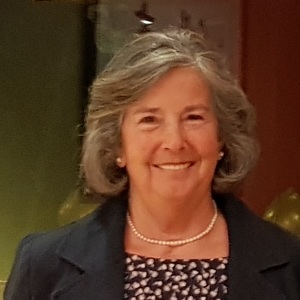



Comments