Dr Vincent Maida MD, MSc, BSc, CCFP(PC), FCFP, ABHPM, Associate Professor University of Toronto, Canada and President & CEO, VinSan Therapeutics Inc. Listen to Dr Maida discussing what is palliative wound care.
Transcript (auto-generated)
This transcript was generated automatically and may contain errors.
What is palliative wound care? Before embarking on this definition, it's important to focus on the goals of wound management. First and foremost, we all aspire to close and heal wounds. Unfortunately, not all wounds can be healed. Thus, we then must focus on wound maintenance and stabilization. We also aspire to prevent complications, and ultimately we must promote wound prevention both in a primary fashion and secondary mode. However, the one constant goal that spans all wounds across all trajectories, whether healable or non-healable, is palliative wound care. It is important to note at the outset that this concept is expressed in a number of different ways across the world and within the published literature. I wish to emphasize that palliative wound care is equivalent to wound-related pain and symptom management and in turn is equivalent to wound palliation. The term palliative has developed into one of the most arcane and confused words within the English language and the world of health care. A disturbing trend has been to use palliative as a euphemism during discussions between health care professionals and their patients. The term palliative is derived from the Latin term palliare, which means to cloak, cover or shield. In contemporary times, it has evolved into a word to describe the pursuit of relieving any and all forms of suffering that our patients are experiencing. Integumentary wounds involving both cutaneous membranes and mucous membranes are known to cause significant levels of suffering that is composed of many different dimensions. Although we tend to think of only the physical manifestations, such as pain, odour, itching, exudation, bleeding, swelling, mass effect and cosmetic and aesthetic concerns, wounds also generate other dimensions of suffering that include social, spiritual, psychological and existential. It was the late Dame Cicely Saunders, the founder of the modern hospice movement, and later Eric Casale, a very renowned American bioethicist, that defined suffering as much more than just physical dimensions, but rather a multidimensional construct. To date, the global approach to the relief of wound-related suffering has focused on the physical dimensions mentioned. clearly need to begin to focus on the non-physical contributors of suffering. A recommended assessment tool that may be used in the setting of all wound classes and which is scored by the patient is the Toronto Symptom Assessment Scale for wounds. The acronym for this assessment tool is TSAS-W. TSAS-W may be used in clinical care, in wound research and wound audits. To quote known American physician Edward Levinson Trudeau, to cure sometimes, to relieve often, and to comfort always. That is the essence of palliative wound care. This is Vincent Maida. I thank you very much for your attention.

 Health Shared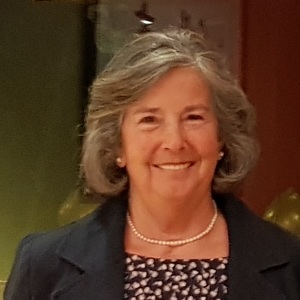


Comments