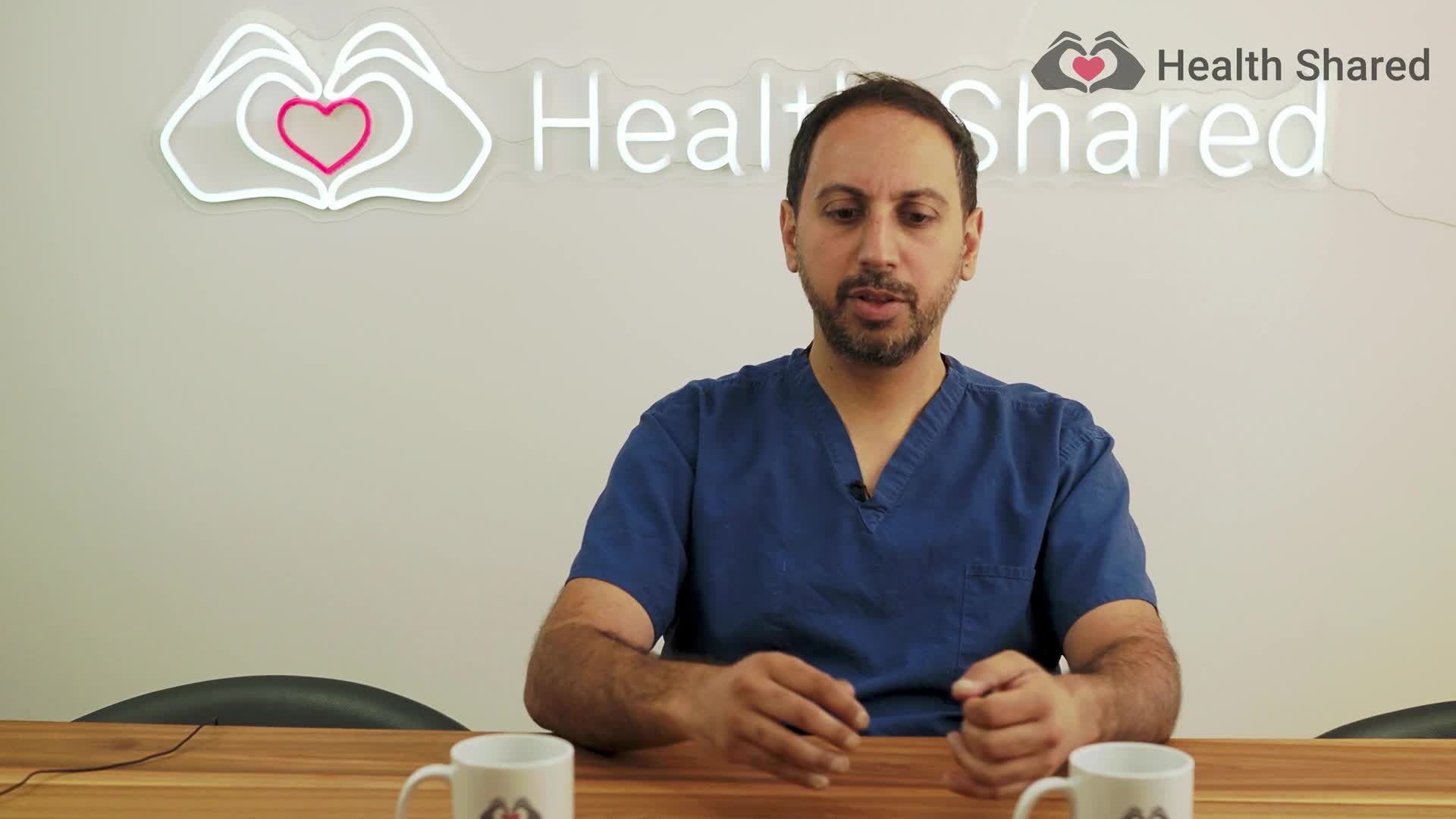
Catheter ablation is a common treatment for atrial fibrillation.The success of the treatment depends on your individual circumstances. In this video Dr Husain Shabeeh discusses what to expect after a catheter ablation and the success rates.
Transcript (auto-generated)
This transcript was generated automatically and may contain errors.
So, ablation treatment involves through the leg, up to the heart, into the atria and then finding where the triggers are and getting rid of them by either freezing or burning. Then we have a look around to make sure that no further needs to be done and then everything comes out from the heart and back out and the procedure's over. The success rates for ablation are better when it's done earlier in the course of your atrial fibrillation. So those people who have atrial fibrillation where it comes and goes, what we call paroxysmal, comes in paroxysms of atrial fibrillation. So they get episodes of atrial fibrillation which can last hours or days and then it goes, that's paroxysmal. And in those people the the success rates are deemed to be around 70% mark of not having atrial fibrillation at the one year mark off the medications. Once your atrial fibrillation progresses, it becomes persistent. It doesn't come and go anymore. You now have atrial fibrillation, it's there all the time. It means something needs to be done to get rid of it. We know the success rates start to drop once atrial fibrillation becomes persistent. It's very important to decide which route you'll take with your atrial fibrillation, whether you'll decide you'll stay in atrial fibrillation long-term or whether it's best for you to try and get out of atrial fibrillation early. And at that stage, you can decide whether you do a cardioversion or an ablation to try and keep you in normal rhythm long-term. We know an ablation carries about 70% success rate when done early at the one-year mark. If atrial fibrillation recurs, then you could have repeat ablation and the success rates are deemed to be higher at that stage.

 Health Shared

Comments