Discover the community-driven approach to leg health at Bradford-on-Avon Leg Club, where medical treatment meets social support.
Transcript (auto-generated)
This transcript was generated automatically and may contain errors.
My name's Amanda Brooks and I'm the business manager and project lead for the Bradford-on-Avon Leg Club. The Leg Club is a place where people come to get treatment for their leg ulcers, chronic oedemas, skin changes, but it's delivered in a non-medical setting, in a large community hall and the importance is on friendships and empowering the patients to look after their own legs. This is the first leg club in the country which is led by primary care nurses so it was important that our GP partners supported this initiative. There is ample evidence from what individual patients and members of of the club are telling me that not only do they feel that their medical conditions are being addressed but also that their life in terms of quality has been greatly enhanced and this is really encouraging. The second issue around the actual medical leg ulcers is that we're looking at recurrence rates, healing rates and admissions to hospital with cellulitis and we're hoping that in all those measures we will see significant improvements. Before the Leg Club, healing rates, concordant rates, compliance rates were poor. Since the Leg Club, we've seen that people's legs are getting healed faster, that they're taking their medication, they're keeping their legs elevated and therefore they're getting better, quicker, and they are seeing the doctor less and they seem happier, their mental wellbeing is far higher and they're engaging in other activities like our walking group and our arts table that they wouldn't have done had they just been coming once a week to see the nurse in a small room. It's always a buzz of activity, it's a relaxed atmosphere. We don't have the appointment system which is in some ways a disadvantage but on the other hand it does enable people to come and while they're waiting they can socialise and that's clearly a key benefit of the club because people have got leg conditions, particularly the elderly, unless they're encouraged to come out they're stuck at home and they become lonely and isolated and this is how the whole leg club concept started. And what do you think of the leg clubs? It's a lovely communal spirit here, isn't it? Yeah, yeah. I said to my missus, I said, I'd look forward to going down. Well that's good, isn't it? Yeah, but we want you to come down. The Leg Club has attracted a community of volunteers and so this has turned from being a medical issue into being a whole town effort, and that's great. What would you say it was like being a volunteer here at the Bradford and Avon Leg Club? It's very rewarding, Amanda. To see over the weeks how people get healed is just wonderful. As I had it for three years, I understand how important it is to get legs healed and how people feel when they've got pain and they're sore. It can really, really bring you down, you know, know within yourself and I think coming here it's lovely to see all the wonderful volunteers and staff and keep these people well. Because of leg ulcers are being treated in the club it has released the community nursing staff and given them much more capacity and putting that all together I feel that this combination of a GP practice with the leg club model is a really powerful social model of care and has enhanced care, made care more efficient and is, if you like, our contribution to Simon Stevens' request for £22 billion savings from the NHS as a whole.

 Health Shared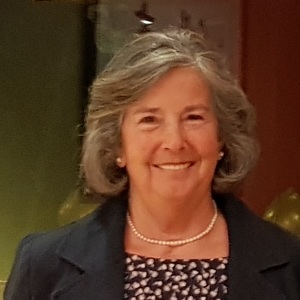


Comments